Designing the systems that support exceptional environments.
Luxury experiences are shaped long before service begins. Materials, products, spatial rhythm, and operational infrastructure all influence how an environment is perceived and how people move through it.
My work focuses on building the physical and sensory foundations that allow these environments to function seamlessly.
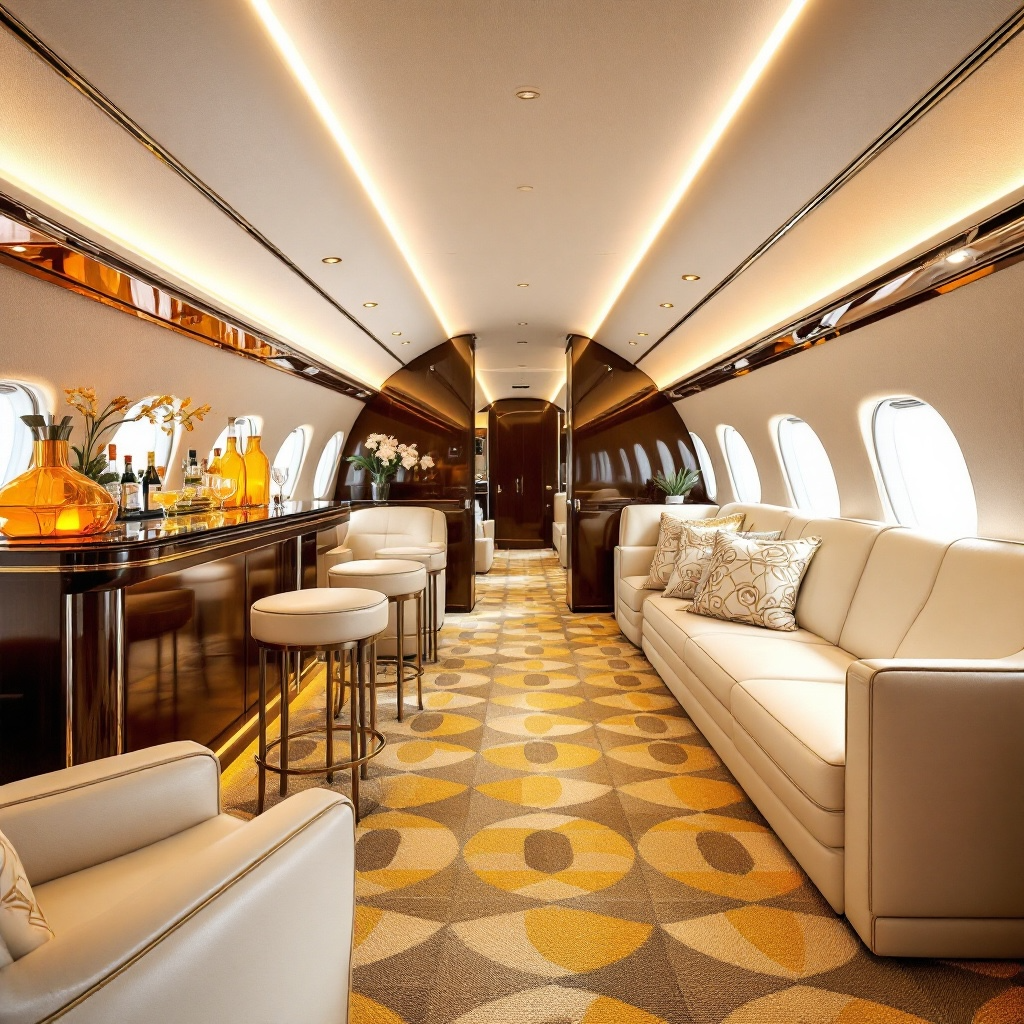
Across private aviation and high-touch hospitality contexts, the objective is consistent: creating environments where thoughtful design supports exceptional service
Experience Platform Design
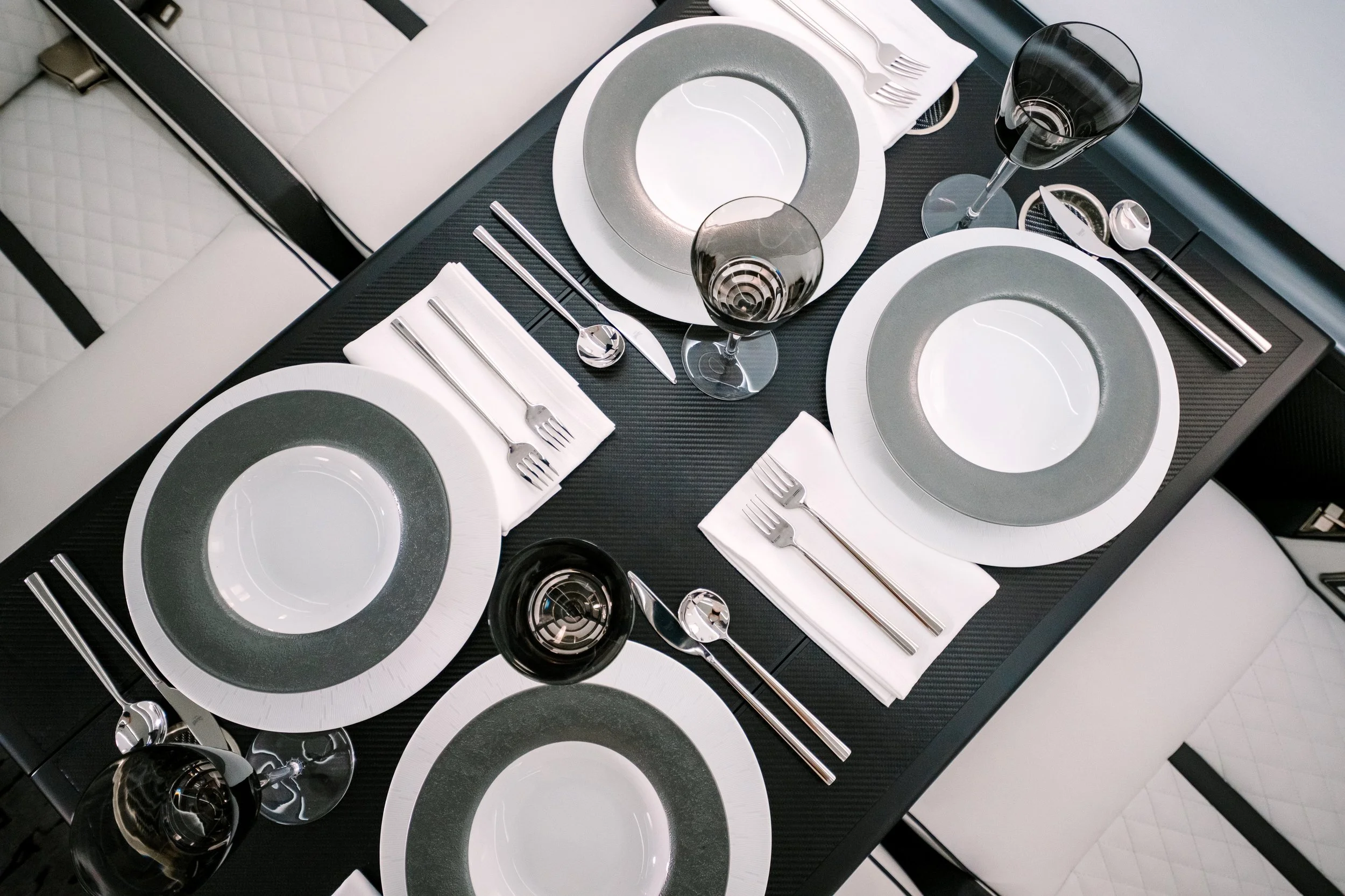
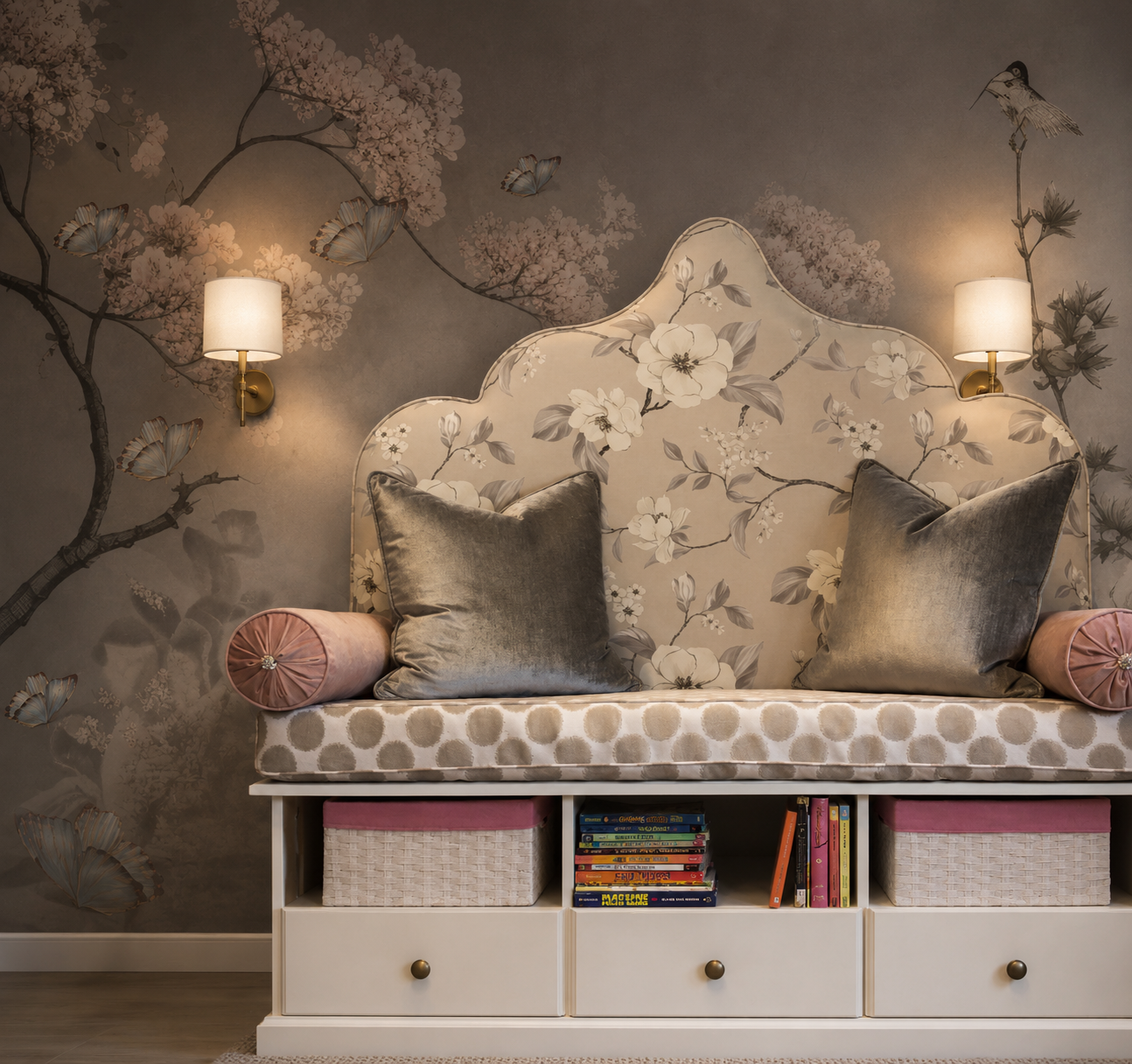
In complex service environments, experience emerges from the coordination of many physical elements. Seating, textiles, lighting, service tools, and product details must work together to create a setting that feels refined while performing reliably under operational pressure.
My work focuses on designing these integrated systems so that environments support service naturally rather than competing with it.
Product Development for Service Environments
Objects within luxury environments must communicate quality while meeting demanding operational requirements.
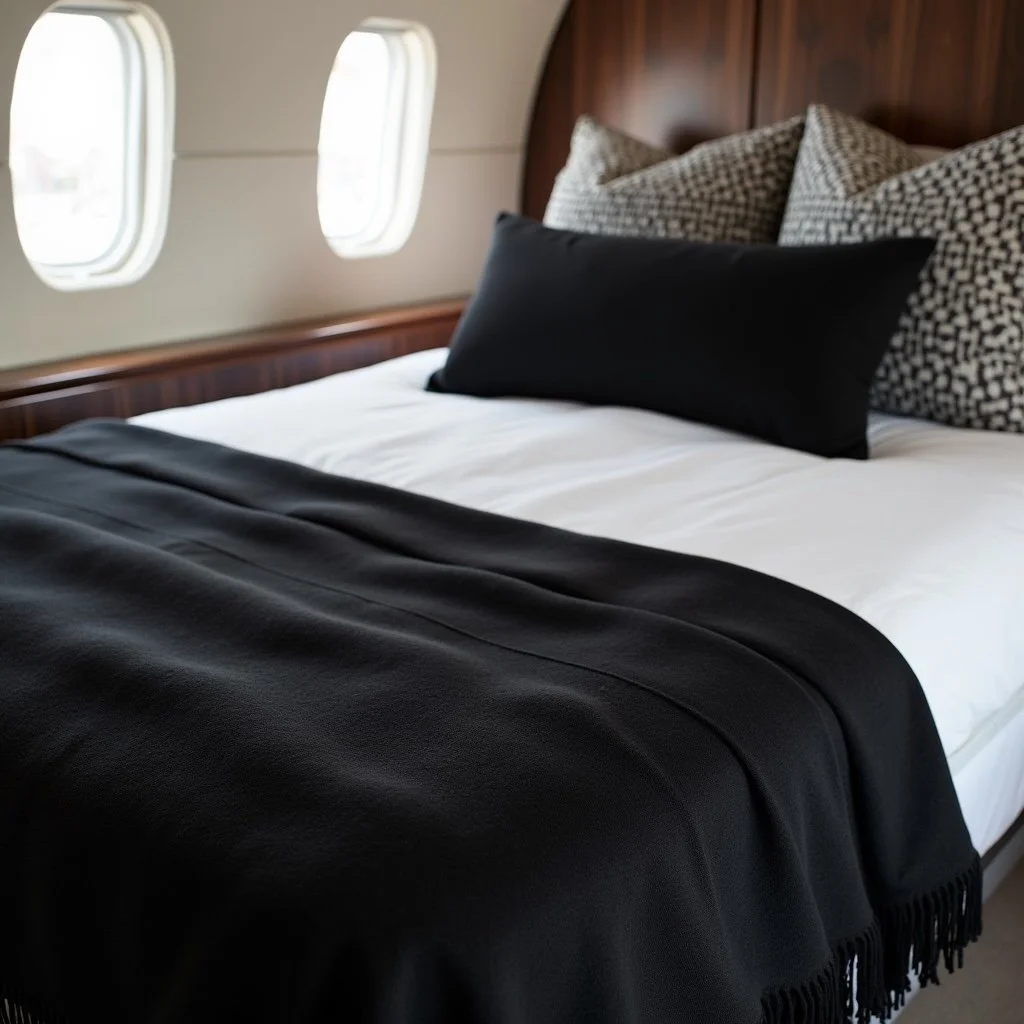
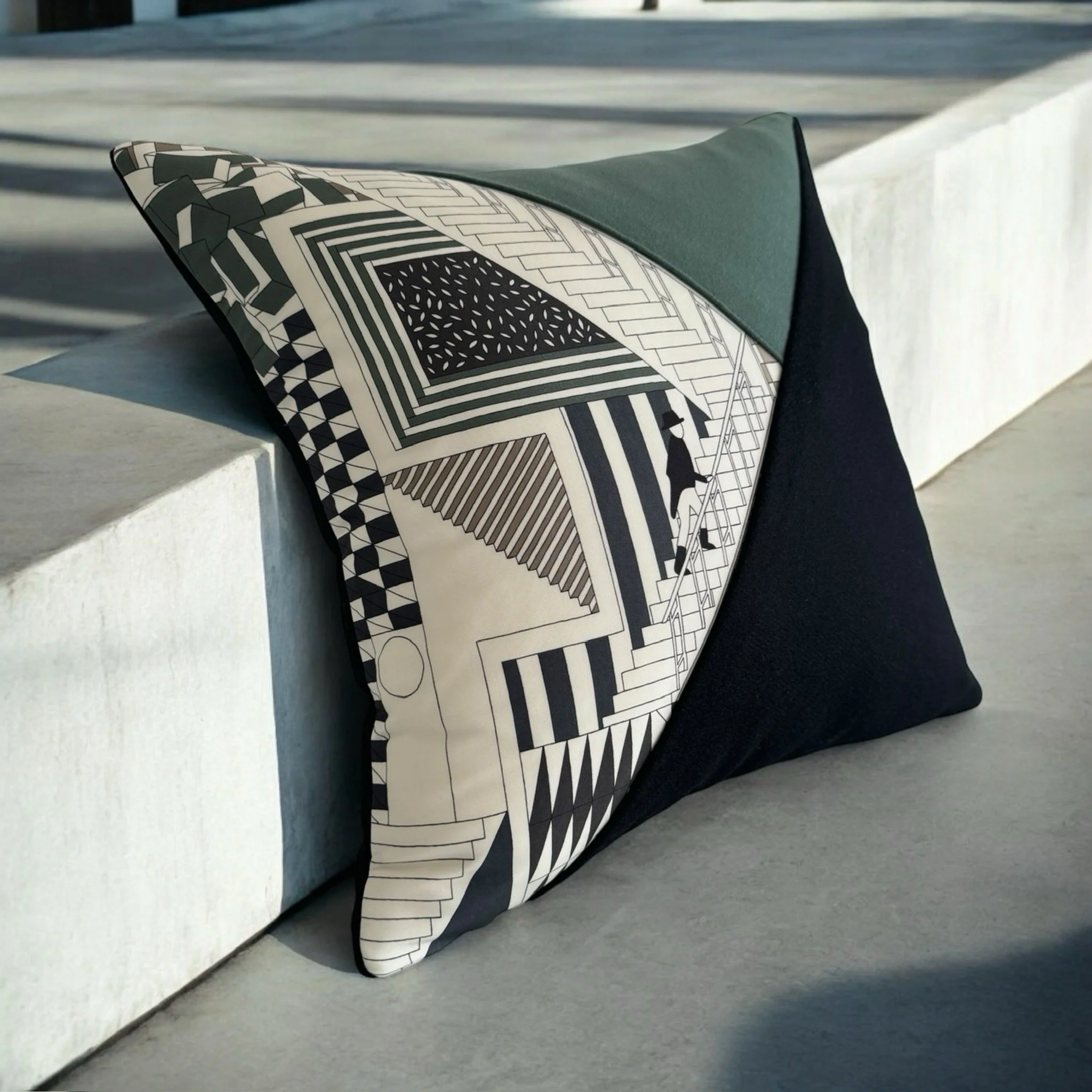
Through product development and material selection, I work to create objects that balance tactile richness with durability, maintainability, and long-term performance. This includes collaboration with manufacturers and suppliers to ensure that design intent is preserved through production.
Vendor Architecture & Strategic Partnerships
Luxury environments are sustained not only through design but through the network of partners who produce and maintain them.
Part of my work involves developing vendor ecosystems and manufacturing partnerships that support long-term quality, consistency, and operational resilience.
These partnerships allow environments to evolve while maintaining a coherent design language.
Operationally Informed Design
In constrained environments such as aircraft cabins, every design decision carries both aesthetic and operational consequences.
Weight limitations, maintenance cycles, spatial constraints, and regulatory requirements must all be considered alongside the emotional experience of the passenger.
Design in these contexts requires precision, restraint, and a deep understanding of how environments are used over time.
Selected Contexts
Private aviation environments
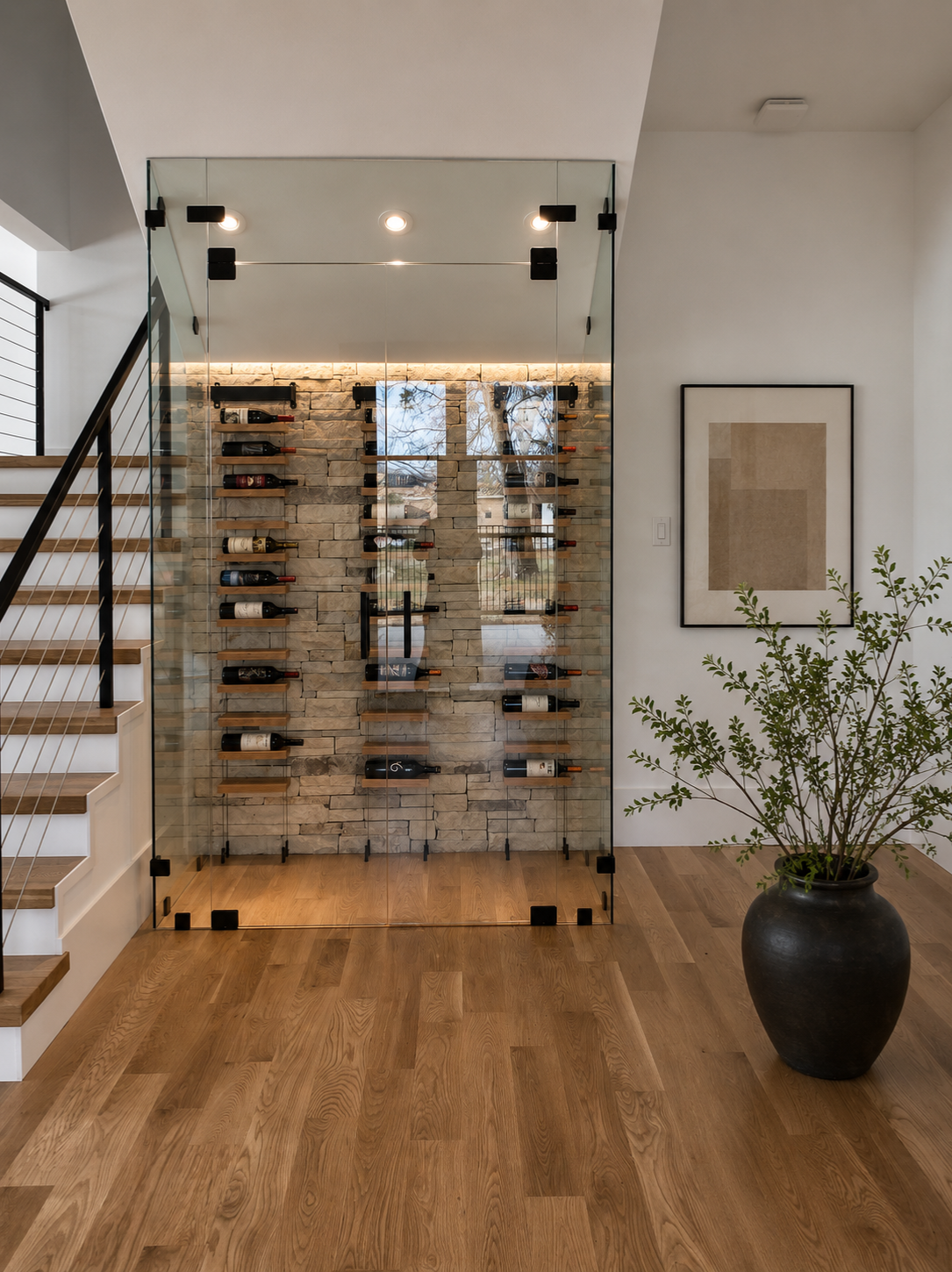
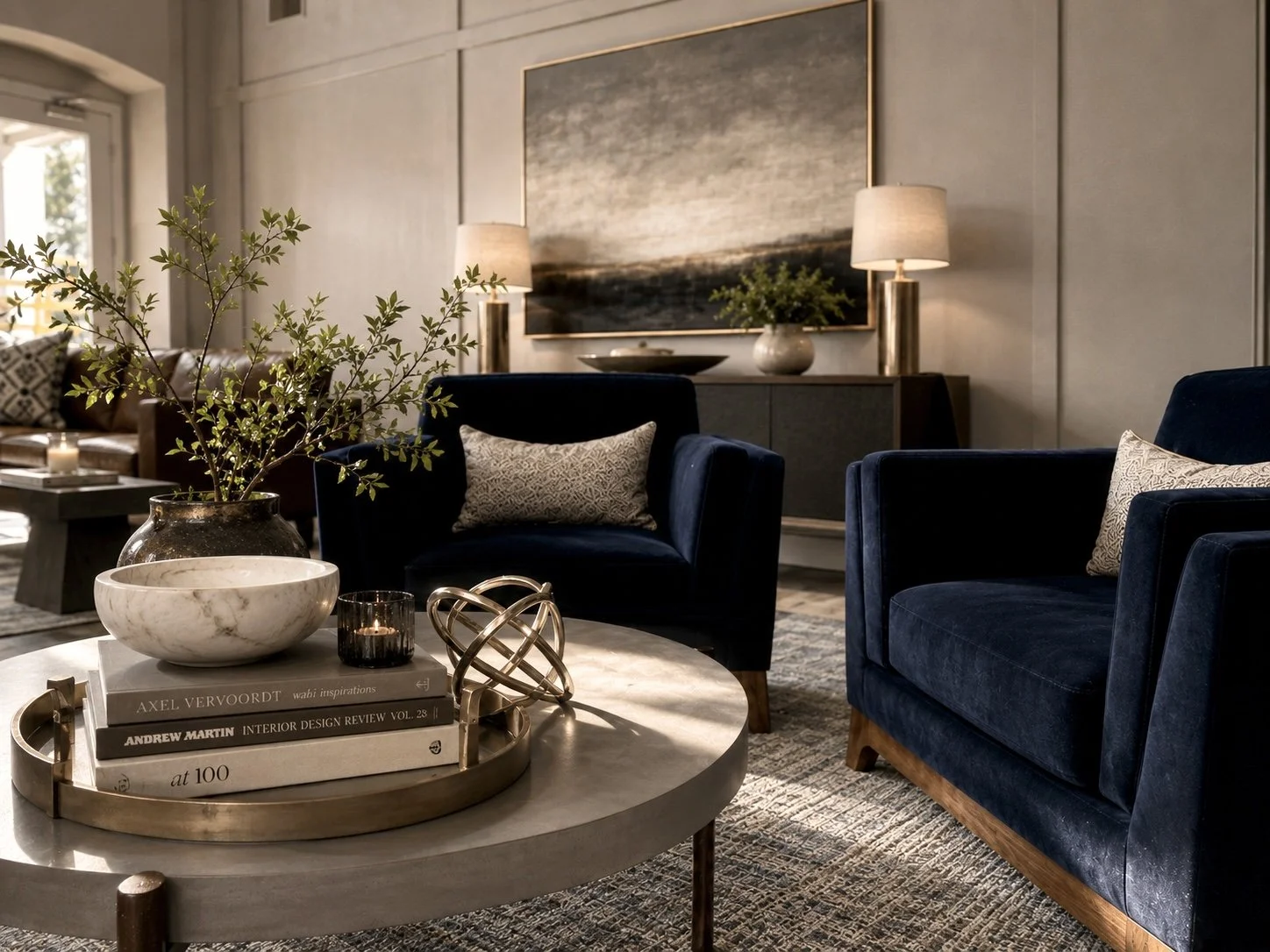
Luxury hospitality settings
Operational product design
Vendor and manufacturing partnerships
Material and tactile systems
The objective is not simply to create beautiful environments, but environments that perform—consistently, intuitively, and with quiet refinement.